
Author: sumox@dev

  • The Importance of Tracking Subscription Spending

    The Importance of Tracking Subscription Spending

    The Importance of Tracking Subscription Spending

    In our increasingly digital world, subscriptions have become a staple of modern life. From streaming platforms to meal delivery kits and fitness apps, these services promise convenience—yet they often come at an unnoticed financial cost. The proliferation of subscription services makes it crucial to keep track of your spending to ensure you’re maximizing value while minimizing unnecessary expenses.

    Understanding the Impact of Subscription Spending

    It’s easy to underestimate how much subscriptions can eat away at your budget. A $10 streaming service, $15 cloud storage plan, and a $20 gym membership might feel negligible individually, but collectively, they can add up to hundreds of dollars every month. Surveys reveal that many households lose track of these costs until they interfere with other financial priorities, like saving or debt repayment.

    Adding to the challenge is the rise of auto-renewal payments. Once you sign up for a service, the charges may continue indefinitely unless canceled. Forgotten subscriptions and “sneaky” recurring payments can derail your budget, making it even more important to monitor your spending vigilantly.

    Why Tracking Subscriptions Is Worth the Effort

    Regularly reviewing your subscription spending offers several benefits:

    • Save Money: Identifying unused subscriptions lets you cancel them, freeing up money for more important financial goals.
    • Reduce Stress: Keeping your finances organized enhances peace of mind and eliminates confusion over unaccounted charges.
    • Prevent Overspending: Tracking prevents “subscription creep,” where unnoticed additions snowball into budget trouble.

    Steps to Manage and Track Subscriptions

    Effective subscription management begins with a thorough audit. List all paid services you use, including trial memberships. Scrutinize your billing statements to capture overlooked subscriptions. For each service, note the renewal date, monthly cost, and whether you actually use the product.

    Consider leveraging technology to assist with tracking. Apps such as Truebill or Mint can help identify recurring payments and organize your budget. These tools simplify oversight, enabling you to monitor subscription usage accurately.

    Another proactive measure is setting calendar reminders for renewal dates. Avoid being surprised by automatic charges by allocating time to decide whether you want to continue, cancel, or pause a subscription.

    Take Control With Extra Tips

    Beyond tracking, there are additional strategies to enhance subscription management:

    • Negotiate Discounts: Many providers offer reduced rates for subscribers who ask. Contact customer support directly to explore potential savings.
    • Bundle Services: Opt for subscription packages that combine multiple features at a better price.
    • Be Wary of Free Trials: Monitor free trials closely to avoid accidental charges after they upgrade to paid plans.

    Conclusion: Regain Control Over Your Finances

    Although tracking subscriptions requires some upfront effort, it provides lasting benefits. A clear understanding of where your money goes helps you reclaim control over your finances and eliminates wasteful spending. Regular audits, alongside budgeting tools and proactive reminders, will set you on the path to smarter money management.

    Remember—a small step today can lead to significant financial improvement tomorrow. Start tracking your subscriptions now and make informed decisions that support your long-term goals.

    Take Action: Don’t wait. Begin auditing your subscriptions to ensure your money is allocated wisely for maximum value and satisfaction.

  • How to Write a High-Converting Landing Page

    How to Write a High-Converting Landing Page

    Editorial Overview: “How to Write a High-Converting Landing Page”

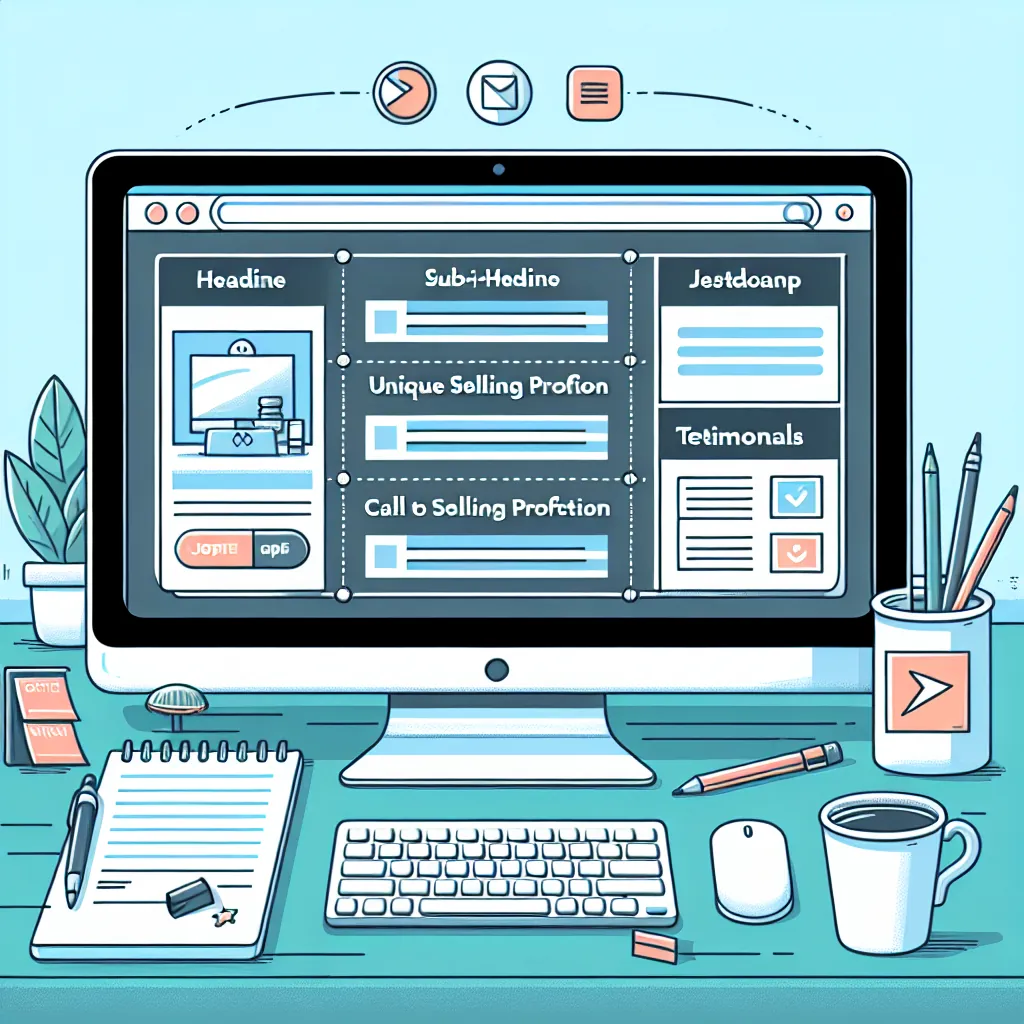
    Summary: This insightful blog post is tailored for digital marketers and startup founders who want to craft landing pages that turn clicks into conversions. It provides a detailed breakdown of essential elements such as captivating headlines, powerful CTAs, and social proof. The content emphasizes simplicity, mobile optimization, and actionable testing strategies. Below is the blog content formatted in its original HTML structure for evaluation.


    How to Write a High-Converting Landing Page

    A landing page is one of the most important tools in your digital marketing arsenal. Whether you’re promoting a product, service, or campaign, it’s the first impression many potential customers have of what you’re offering. As a digital marketer or startup founder, crafting a high-converting landing page can be the difference between mediocre results and skyrocketing success. Let’s dive into actionable landing page tips that can help you turn clicks into conversions.

    Why Your Landing Page Matters

    Before we dive into the structure, let’s understand why landing pages are pivotal. Unlike your homepage, a landing page is designed with a single goal: conversion. Whether that’s generating leads, registering for webinars, or selling products, the landing page reduces distractions and focuses entirely on prompting action.

    The Key Elements of a High-Converting Landing Page

    Here’s how to structure a landing page that drives conversions:

    1. A Clear and Captivating Headline

    The headline is the first thing your visitors see, so it needs to immediately capture their attention. Use direct, benefit-driven language that tells your audience what’s in it for them. For example:

    • Weak Example: “Our New Marketing Tool”
    • Strong Example: “Boost Your Leads by 50% with Our Powerful Marketing Tool”

    2. Persuasive Subheading

    If the headline grabs attention, the subheading keeps it. Use the subheading to elaborate on your offer, adding a sense of urgency or exclusivity. For instance:

    Example: “Take your business to the next level with actionable insights—limited-time access only!”

    3. Benefits Over Features

    People are drawn to what your product or service can do for them, rather than how it works. Highlight the benefits—not just the features—in your copy. Think about how your solution solves their pain points. For instance:

    • Feature: “Our software includes automated reporting tools.”
    • Benefit: “Save hours of time with automated reports that give you clear, actionable data.”

    4. Eye-Catching Visuals

    Including high-quality images or videos can make your landing page more engaging. Use visuals to illustrate your product or service in action, or feature happy customers who’ve benefited from what you’re offering.

    5. A Strong Call to Action (CTA)

    Your CTA is the cornerstone of your landing page—it’s the action you want visitors to take. Make it prominent, use compelling language, and show its value. Here’s a breakdown of strong CTA examples:

    • Weak CTA: “Learn More”
    • Strong CTA: “Start Your Free Trial Today”
    • Strong CTA: “Join 10,000+ Marketers Already Using Our Tool”

    Make the CTA button visually distinct with contrasting colors and strategic placement for maximum impact.

    6. Trust Builders (Social Proof)

    Visitors often hesitate to convert because they fear taking risks. Eliminate this hesitation by featuring trust builders like testimonials, customer reviews, and logos of companies you’ve worked with. For example:

    • “This tool helped us increase sign-ups by 200%.” – Sarah L., Marketing Director
    • “Easy to use and incredibly effective! Our team loves it.” – John P., Startup Founder

    7. Simplified Form Fields

    Too many form fields can drive visitors away. Whether it’s a sign-up form or a lead generation form, ask only for essential information. Studies show that fewer fields lead to higher conversion rates.

    8. Mobile Responsiveness

    More than half of web traffic comes from mobile devices, which means your landing page must look and function beautifully on smaller screens. Responsive design ensures your visitors have a seamless experience, whether they’re on a desktop, tablet, or smartphone.

    Tips for Testing and Tweaking Your Landing Page

    A successful landing page isn’t created overnight. Use A/B testing to experiment with different headlines, CTAs, images, and copy. Monitor your analytics to identify areas for improvement and make data-driven decisions.

    Conclusion

    Creating a high-converting landing page doesn’t have to be overwhelming. By following proven landing page tips—crafting attention-grabbing headlines, emphasizing benefits, including social proof, and offering irresistible CTAs—you can create a page that drives conversions and grows your business. Remember, every element should work together to guide visitors toward taking action.

    Ready to build landing pages that convert? Try our landing page builder and see the difference for yourself. Start today and turn clicks into customers!

  • 10 Easy Ways to Boost Your SEO

    10 Easy Ways to Boost Your SEO

    Editorial Overview: “10 Easy Ways to Boost Your SEO”

    Summary: This engaging blog post delves into practical strategies tailored for small business owners who want to improve their website’s visibility and drive organic traffic without delving into complex technical aspects. Covering topics such as optimizing headings, crafting quality content, leveraging social media, and enhancing loading speed, it provides actionable steps for boosting online presence. Below is the blog content displayed in its original HTML format for review.


    10 Easy Ways to Boost Your SEO

    As a small business owner, you’ve likely heard about the importance of search engine optimization (SEO). But did you know that improving your SEO doesn’t have to involve complex coding or expensive tools? With a few simple techniques, you can make your website more visible to potential customers and boost your website traffic. Here are ten actionable SEO tips you can start implementing today!

    1. Optimize Your Titles and Headings

    Your website’s titles and headings are among the first things search engines analyze. Use clear, descriptive headings that include relevant keywords. For example, instead of a generic title like “Services,” try something more specific like “Digital Marketing Services for Small Businesses.” This gives both search engines and visitors a better understanding of your content.

    2. Write Quality Content That Solves Problems

    High-quality, relevant content is essential for good SEO. Create posts or articles that address common questions or challenges your audience faces. For instance, if you’re in the childcare industry, you could write a blog titled “5 Tips for Parents Managing Busy Schedules.” Search engines reward sites that provide helpful, user-focused content.

    3. Use Internal Links

    Internal links—links that lead to other pages on your website—help search engines understand your site’s structure and keep readers engaged. For example, if you mention related services in a blog post, link to those service pages. This is an easy way to improve both SEO and user experience.

    4. Focus on Mobile Optimization

    More than half of all web traffic comes from mobile devices, and search engines prioritize mobile-friendly websites. Make sure your site is responsive, meaning it adjusts seamlessly to different screen sizes. If you’re unsure whether your site is mobile-friendly, tools like Google’s Mobile-Friendly Test can help.

    5. Include Keywords Naturally

    Keywords are vital, but stuffing your content with them can hurt your SEO. Instead, sprinkle keywords naturally throughout your page titles, headings, and text. For example, if you’re targeting “SEO tips,” you might include phrases like “simple SEO tips for small businesses” or “actionable SEO strategies to drive website traffic.”

    6. Leverage Social Media

    Social media platforms can be a powerful tool for driving traffic to your website. Share your blog posts, services, or updates on platforms your target audience frequently visits. Include links back to your website, and don’t forget to engage with your followers to build trust and authority.

    7. Add Alt Text to Your Images

    Image alt text—or descriptions of what’s in a photo—helps search engines understand and index visual content. It’s also helpful for accessibility. For example, if you have an image of a laptop showing Google Analytics data, your alt text could be “Google Analytics dashboard on laptop screen.”

    8. Create Compelling Meta Descriptions

    A meta description is the short snippet of text that appears under your website link in search results. This small but mighty detail can encourage users to click through to your site. Keep your meta descriptions under 160 characters and include keywords. For example, “Learn 10 SEO tips to boost your website traffic—perfect for small business owners!”

    9. Improve Your Page Loading Speed

    Slow-loading pages not only frustrate visitors but also hurt your SEO. Use free tools like Google PageSpeed Insights to identify areas for improvement, such as compressing images or minimizing unnecessary scripts. Faster-loading pages keep your users happy and improve your rankings.

    10. Build Backlinks

    Backlinks—links from other sites to yours—signal to search engines that your content is trustworthy. Reach out to industry blogs or other small businesses for collaboration opportunities. For example, you could guest blog on their website or offer to write a testimonial in exchange for a link.

    Conclusion

    Boosting your SEO doesn’t have to be daunting or technical. By optimizing headings, writing helpful content, using internal links, and following the tips above, you can significantly improve your website’s visibility and drive traffic without breaking the bank. Start implementing these strategies today, and watch how small changes can lead to big results!

    Ready to take your SEO to the next level? Download our free SEO checklist for additional actionable tips and insights to help your small business thrive online.