
Editorial Overview: “10 Easy Ways to Boost Your SEO”
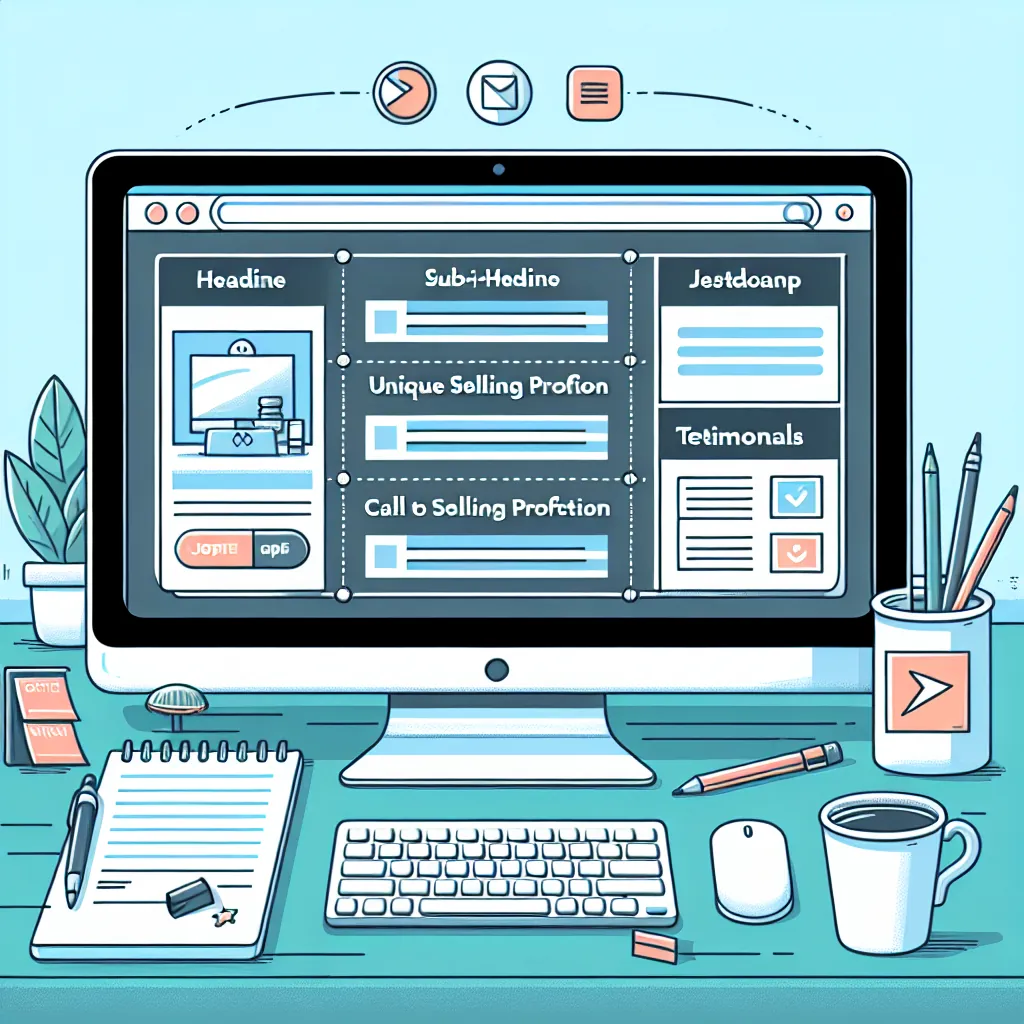
Summary: This engaging blog post delves into practical strategies tailored for small business owners who want to improve their website’s visibility and drive organic traffic without delving into complex technical aspects. Covering topics such as optimizing headings, crafting quality content, leveraging social media, and enhancing loading speed, it provides actionable steps for boosting online presence. Below is the blog content displayed in its original HTML format for review.
10 Easy Ways to Boost Your SEO
As a small business owner, you’ve likely heard about the importance of search engine optimization (SEO). But did you know that improving your SEO doesn’t have to involve complex coding or expensive tools? With a few simple techniques, you can make your website more visible to potential customers and boost your website traffic. Here are ten actionable SEO tips you can start implementing today!
1. Optimize Your Titles and Headings
Your website’s titles and headings are among the first things search engines analyze. Use clear, descriptive headings that include relevant keywords. For example, instead of a generic title like “Services,” try something more specific like “Digital Marketing Services for Small Businesses.” This gives both search engines and visitors a better understanding of your content.
2. Write Quality Content That Solves Problems
High-quality, relevant content is essential for good SEO. Create posts or articles that address common questions or challenges your audience faces. For instance, if you’re in the childcare industry, you could write a blog titled “5 Tips for Parents Managing Busy Schedules.” Search engines reward sites that provide helpful, user-focused content.
3. Use Internal Links
Internal links—links that lead to other pages on your website—help search engines understand your site’s structure and keep readers engaged. For example, if you mention related services in a blog post, link to those service pages. This is an easy way to improve both SEO and user experience.
4. Focus on Mobile Optimization
More than half of all web traffic comes from mobile devices, and search engines prioritize mobile-friendly websites. Make sure your site is responsive, meaning it adjusts seamlessly to different screen sizes. If you’re unsure whether your site is mobile-friendly, tools like Google’s Mobile-Friendly Test can help.
5. Include Keywords Naturally
Keywords are vital, but stuffing your content with them can hurt your SEO. Instead, sprinkle keywords naturally throughout your page titles, headings, and text. For example, if you’re targeting “SEO tips,” you might include phrases like “simple SEO tips for small businesses” or “actionable SEO strategies to drive website traffic.”
6. Leverage Social Media
Social media platforms can be a powerful tool for driving traffic to your website. Share your blog posts, services, or updates on platforms your target audience frequently visits. Include links back to your website, and don’t forget to engage with your followers to build trust and authority.
7. Add Alt Text to Your Images
Image alt text—or descriptions of what’s in a photo—helps search engines understand and index visual content. It’s also helpful for accessibility. For example, if you have an image of a laptop showing Google Analytics data, your alt text could be “Google Analytics dashboard on laptop screen.”
8. Create Compelling Meta Descriptions
A meta description is the short snippet of text that appears under your website link in search results. This small but mighty detail can encourage users to click through to your site. Keep your meta descriptions under 160 characters and include keywords. For example, “Learn 10 SEO tips to boost your website traffic—perfect for small business owners!”
9. Improve Your Page Loading Speed
Slow-loading pages not only frustrate visitors but also hurt your SEO. Use free tools like Google PageSpeed Insights to identify areas for improvement, such as compressing images or minimizing unnecessary scripts. Faster-loading pages keep your users happy and improve your rankings.
10. Build Backlinks
Backlinks—links from other sites to yours—signal to search engines that your content is trustworthy. Reach out to industry blogs or other small businesses for collaboration opportunities. For example, you could guest blog on their website or offer to write a testimonial in exchange for a link.
Conclusion
Boosting your SEO doesn’t have to be daunting or technical. By optimizing headings, writing helpful content, using internal links, and following the tips above, you can significantly improve your website’s visibility and drive traffic without breaking the bank. Start implementing these strategies today, and watch how small changes can lead to big results!
Ready to take your SEO to the next level? Download our free SEO checklist for additional actionable tips and insights to help your small business thrive online.